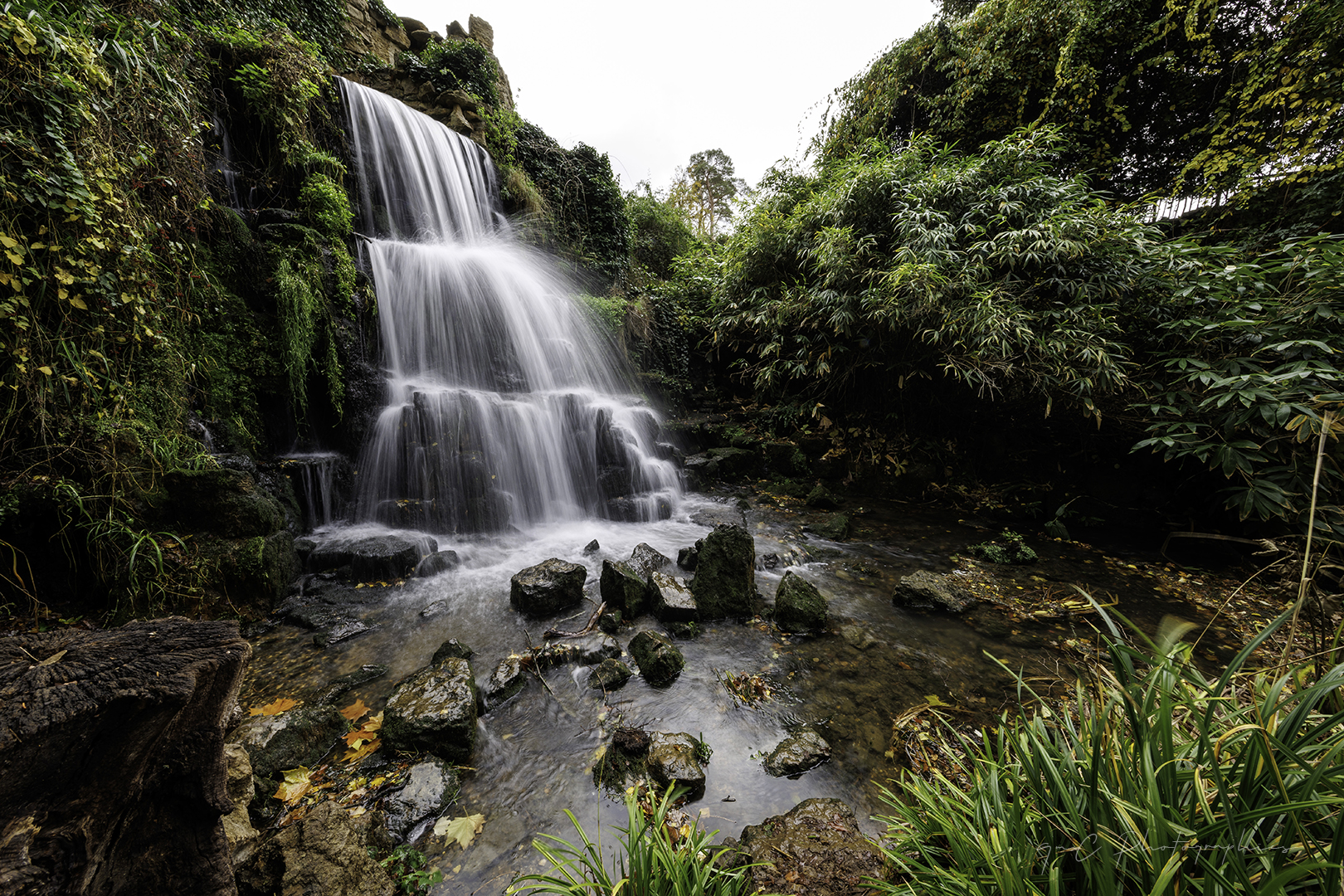
Wide angle lenses are a curious thing, where only one lens rarely “does it all”. As optics get longer, beyond the normal field of vision, the rationale seems to get simpler. For instance, for portaiture the choice is easy, flexibilty – 70-200 zoom, for creativity – fast prime, of which the 135L or 85L are the obvious lenses of choice, either option is great and you only need one. At the really long end, either a 400mm prime or a 600mm prime is ideal and the use teleconverters can push further reach.
But wide angle lenses get a lot of overlap and there’s so many different ways to express a wide scene visually.
Once upon a time, a 28mm was considered very wide and few photographers needed exotic glass that ventured into the 21mm or 24mm wide views. 16-35mm lenses were considered as super exotic and niche. However these days, everyone seems to rock a 16-35mm lens and they have become the normal wide end of a three zoom lens collection. 16-35 / 24-70 / 70-200 trilogy.
The 16-35mm lens is a ine optic, but it’s walks a strange path of versatility. It’s not fully rectilinear and not fisheye. It’s like a hybrid of semi-corrected. So you get non straight lines and slightly egg shaped circles. Not fully corrected and not too curvy.
So a little explanation to the two types of lens ocrrections is needed.
Fisheye lenses don’t correct for straight lines, but they keep circles round (especially off centre / off horizontal). These lenses then to be very small and light and are (generally) the widest you can get.
Where as a rectilinear corrected lens keeps stright lines dead straight, but circles become egg shaped, more so as they get placed closer to the corners of the image frame. This is great for architecture, but not so great for group shots at weddings. These lenses are generally not as wide as fisheye (which can go as wide as 180′ view in some cases) and require a lot of bulky optical elements to correct the image. So these are often very large and quite slow lenses. The wider versions of these (often refered to as Ulta-wide / UWA lenses) tend to have a bulbous front element and subsequenctly can’t fit a front flat filter to. Although many question the rationale for using a polariser on such a wide lens. ND filters are useful for combining frames of different shutter speeds.
One of the first lenses of this type was the mighty Sigma 12-24mm f3.5-5.6 DG HSM. It’s a old lens, but it was the first of it’s type. Nothing had ever gone this wide (on full frame) before and it was SO corrected. This was a lens before photoshop and lightroom and very much in the early days of digital. It propbably was designed as a pre-digital lens. Many critisied it because the corners were quire soft. It was really an f11 only lens!
Back in the day, while on landscape worshops, I would take this lens as rarity…if I need it. A trick lens for a unique situation.
I learned to compose at 12mm, which in it’s self is a bit of a knack. This was really helpful in these early days to go beyond the 16mm limitation and compose a wider frame.
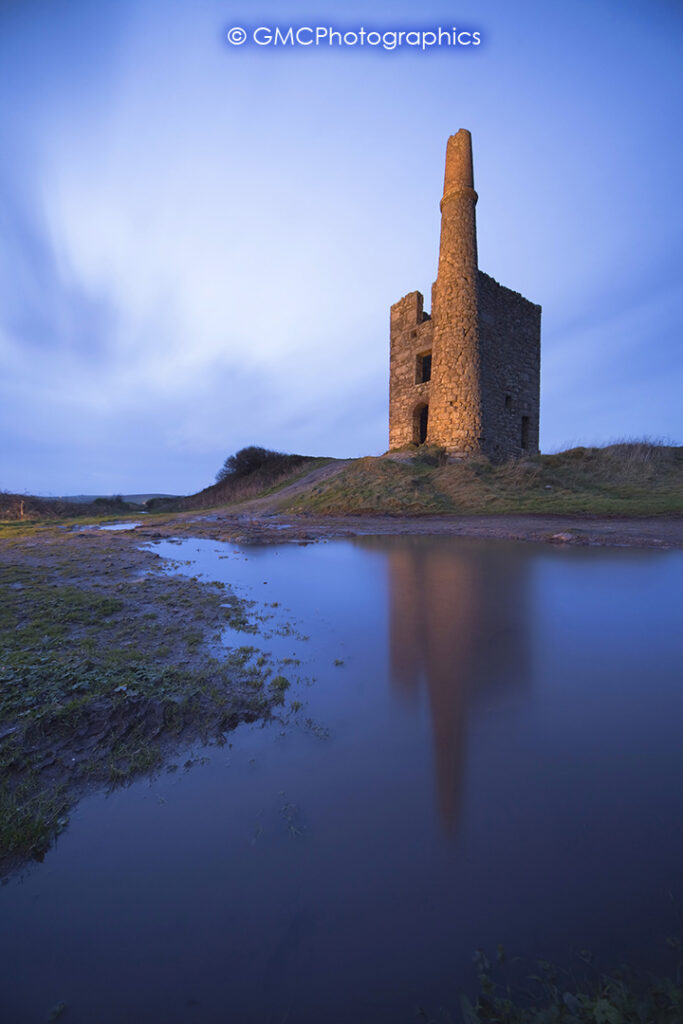
“Old Cornish Tin Mine” Canon 5D mkII, Sigma 12-24mm f3.5-5.6 EX DG HSM. Iso 200 /f8 /12mm /30 seconds
I used to carry this Sigma lens and my general EF 16-35mm f2.8 II L. The latter being very versatile, but the Sigma came in handy if I needed to go a lot wider (typically in a verticle composition) or I needed the rectilinear correction.
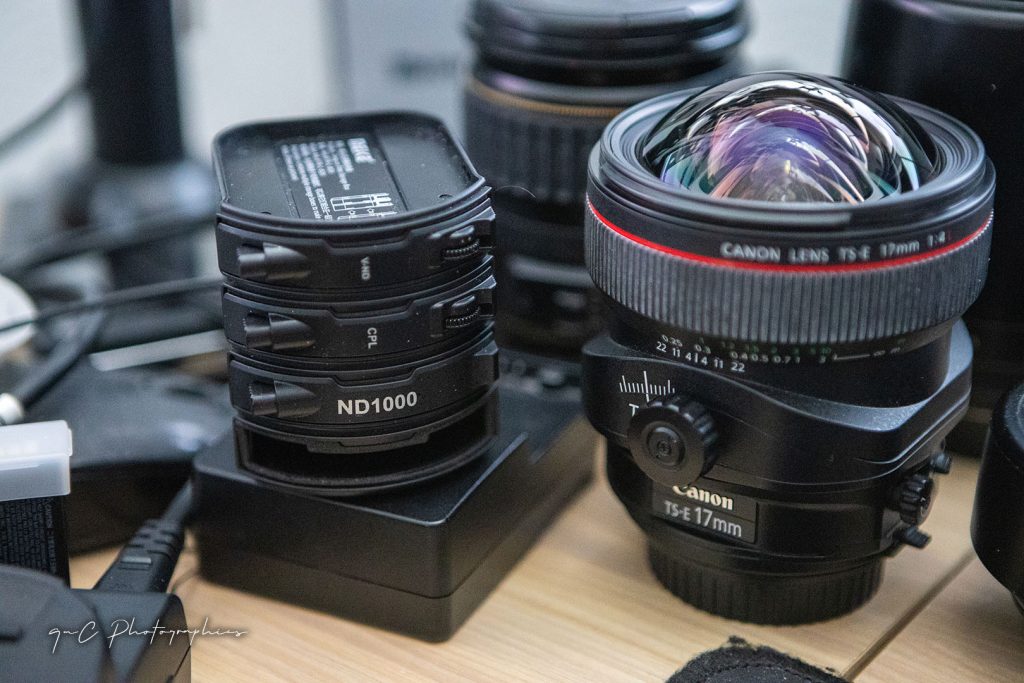
I swapped out this Sigma zoom for a TSE-17mm f4 L prime. It’s swing movement and tilt function allowed me to correct verticles (as per architectural requirements) and the swing movement was great for panoramas. I could get a wide angle of view than I could from my Sigma 12-24mm lens if I popped the camera on a tripod and did a 3 shot swing pano. The lens was essentially a recilinear corrected lens. So it covered my same requirements as the sigma, but it also added TS-e functions as well as being a far sharper lens.
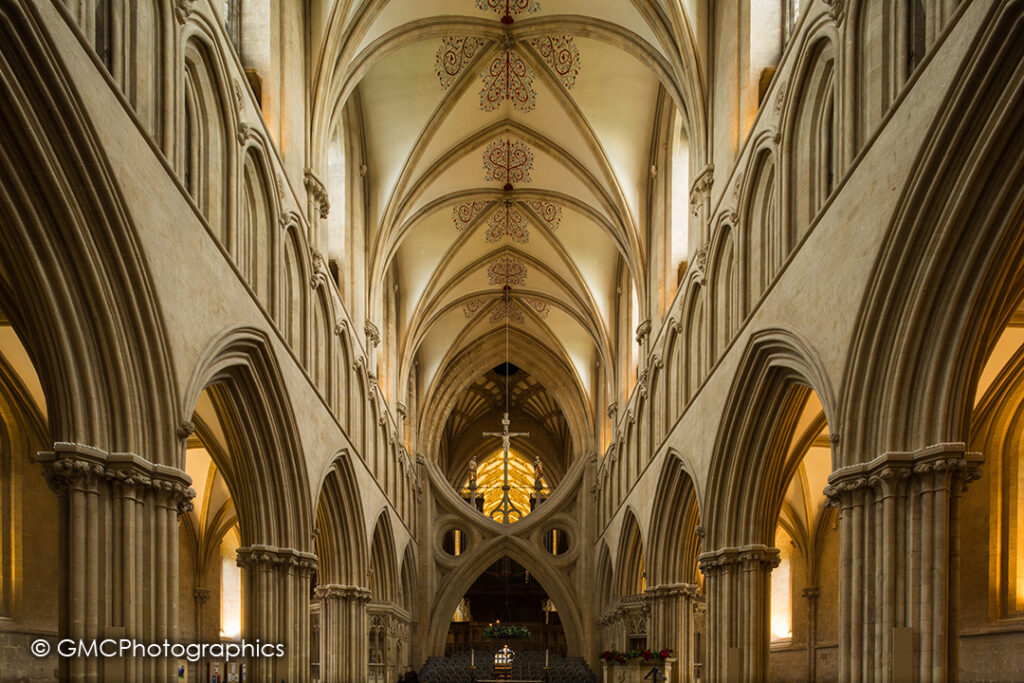
“Wells Cathedral” Canon 5D mkIII TS-e 17mm f4 L f22
Then there’s the fisheye lenses…
Canon introduced the last word in fisheye lenses when it dropped the EF 8-15mm f4 L fish eye. It combined the two extreams, the circular 8mm fisheye and the 15mm fish eye that everyone is more familiar with. Over the years I had dabbled with a 15mm fish and a 8mm fish, but didn’t keep them long enough to make any impact on my photography. Generally, they wer on trick ponies that were not worth the cost or bag space for the very little use they ould get. That was until the Canon zoom came a long and it because my most fun occasional use lens. At 15mm it’s really fun to defish (about 70%) and I have a few images in my portfolio that use that technique / process. I wouldn’t advise it as the only wide option, but it can work well.
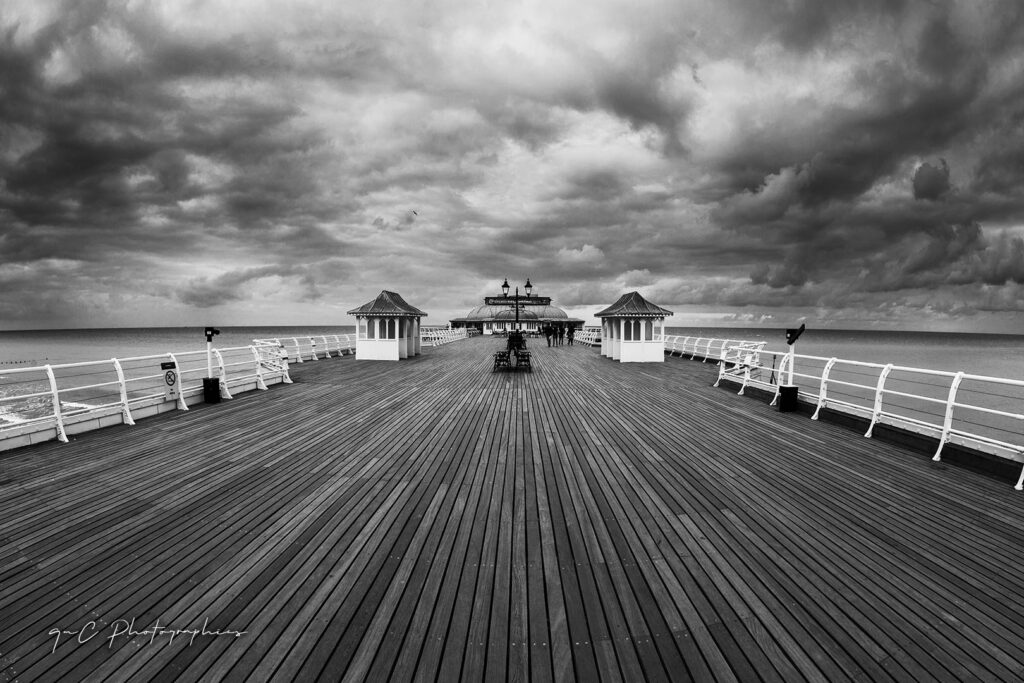
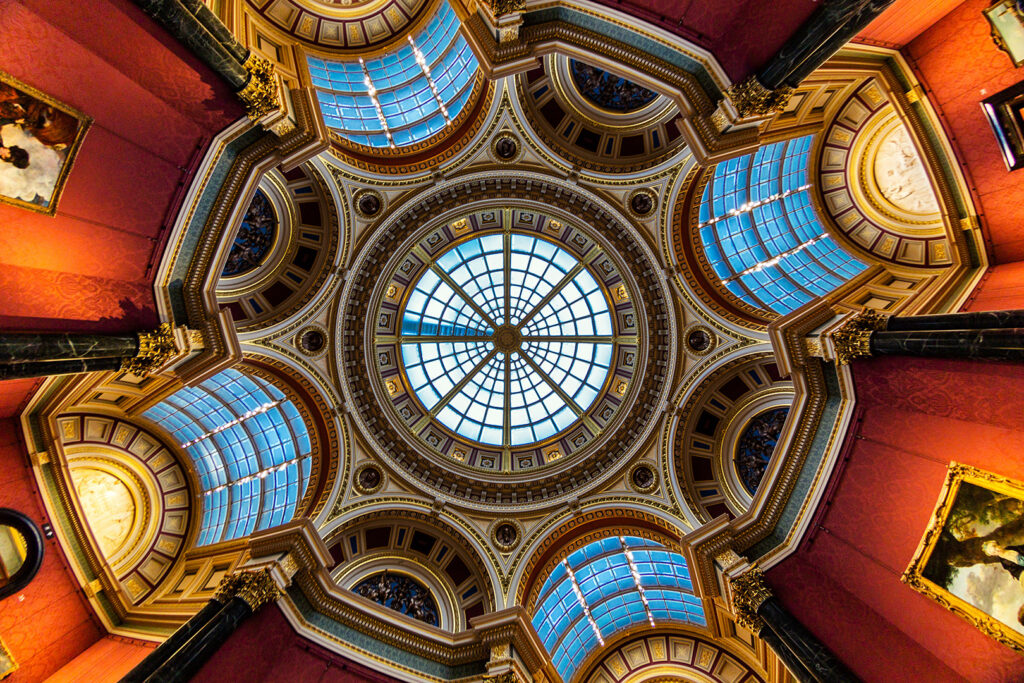
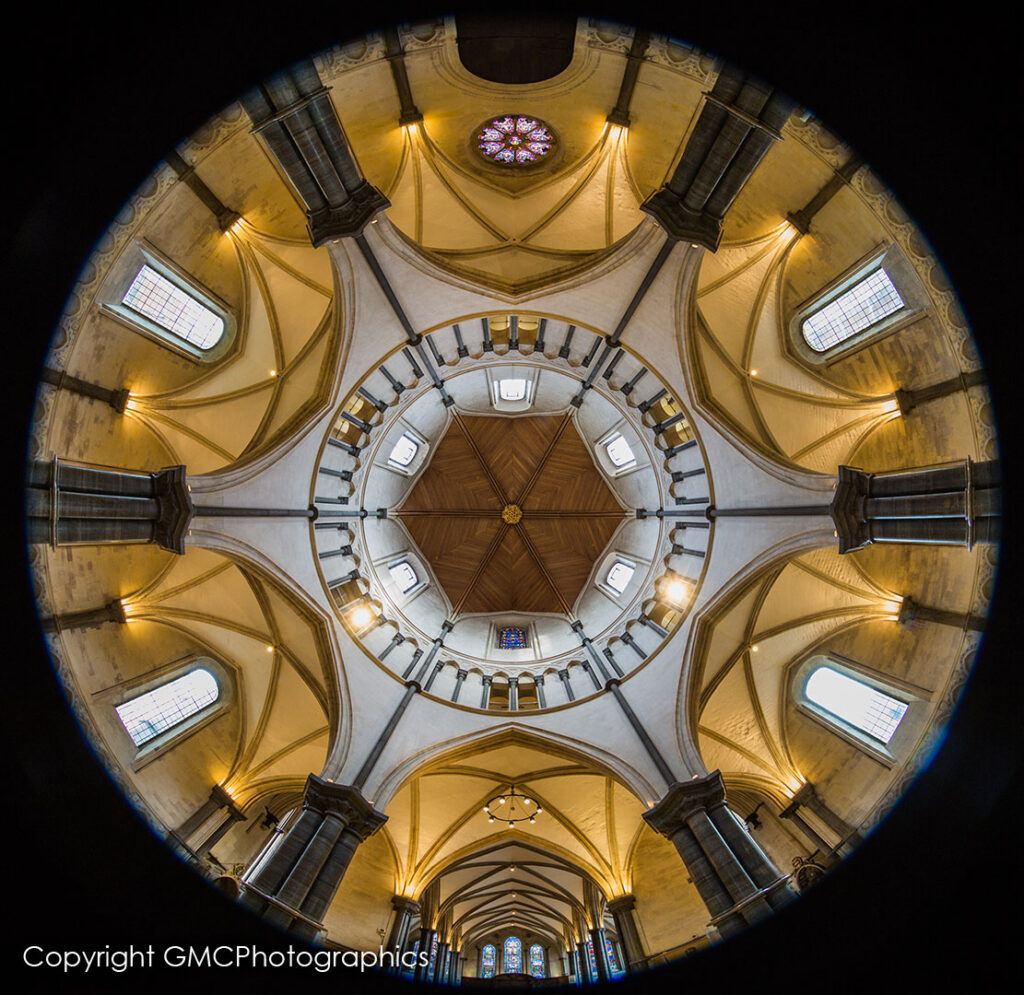
All taken with a 5DIII and a EF 8-15mm f4 L Fisheye lens
When I moved to mirrorless, the newer Canon alias filter over the sensor is a lot weaker. This means that the images are more resolved and have higher fine detail compared with DSLR sensors of the same pixel density. A 24mp R6ii / R8 sensor is out resolving the 32mp sensor or the DSL prevous generation. I was finding that some of my EF lenses were not sharp enough to render tac sharp images on that sensor when shot wide open. The two lenses in question were my EF 24-70mm f2.8 L and EF 16-35mm f2.8 II L. I’ve been on a UWA lens quest since then. I sold my TS-e 17mm lens and my EF 16-35mm f2.8 II L lens and traded for a EF 11-24mm f4 L. It’s a superb optic, fully rectilinear corrected. It is wider than the Sigma and similar to the TS-e 17 L when shifted, but a lot more conveinient. It was a similar size to the TSe lens but a fair bit heavier.
This EF 11-24mm and the EF 8-15mm fisheye have been my two UWA lenses of choice.
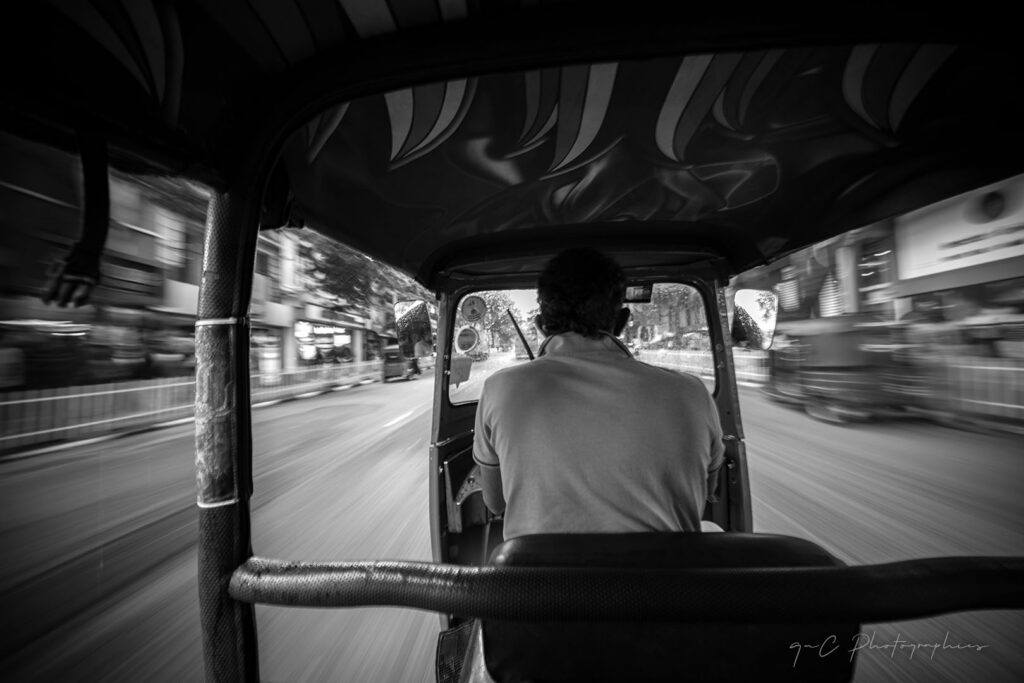
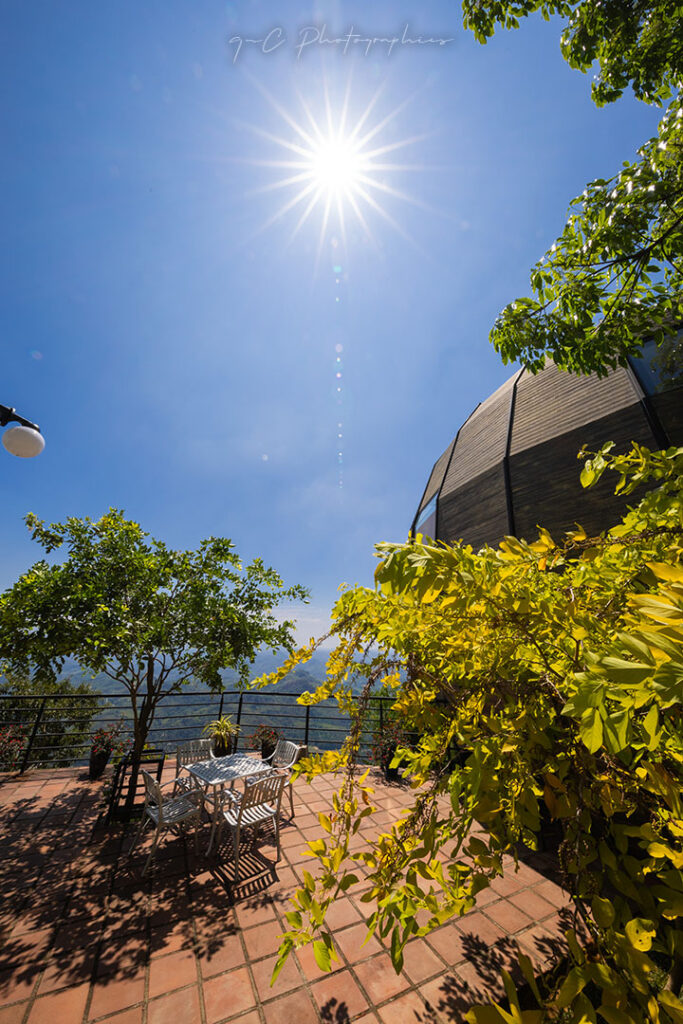
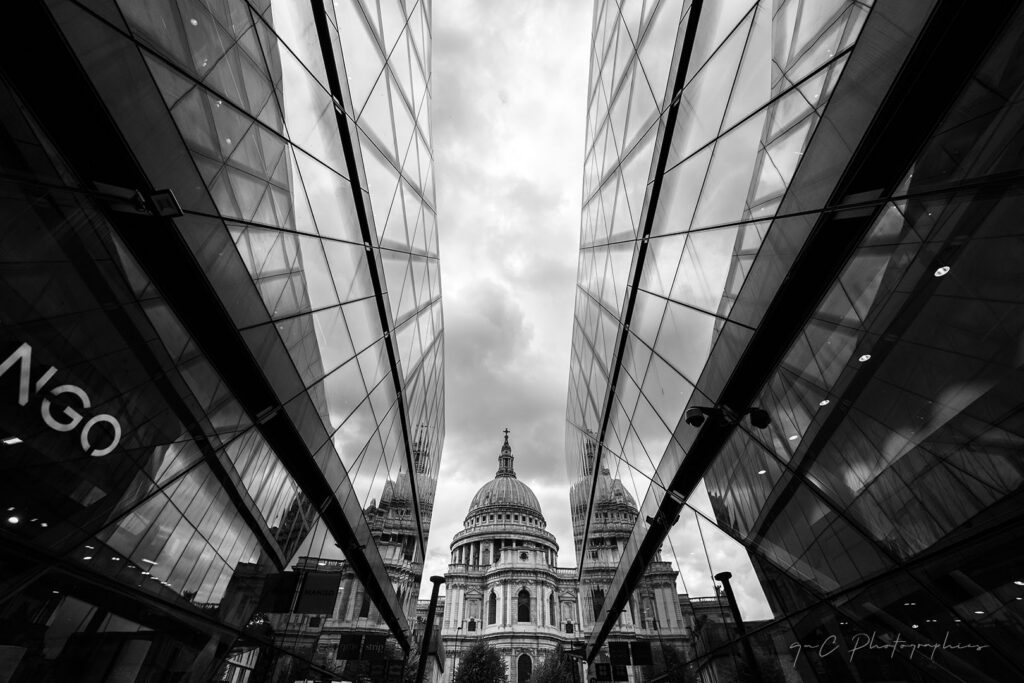
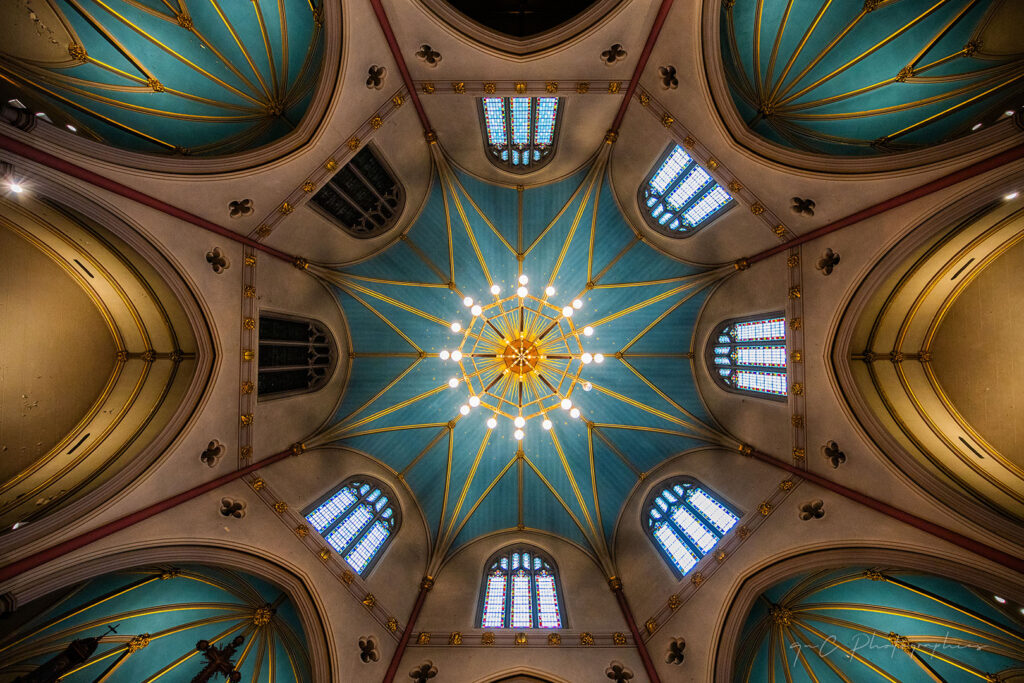
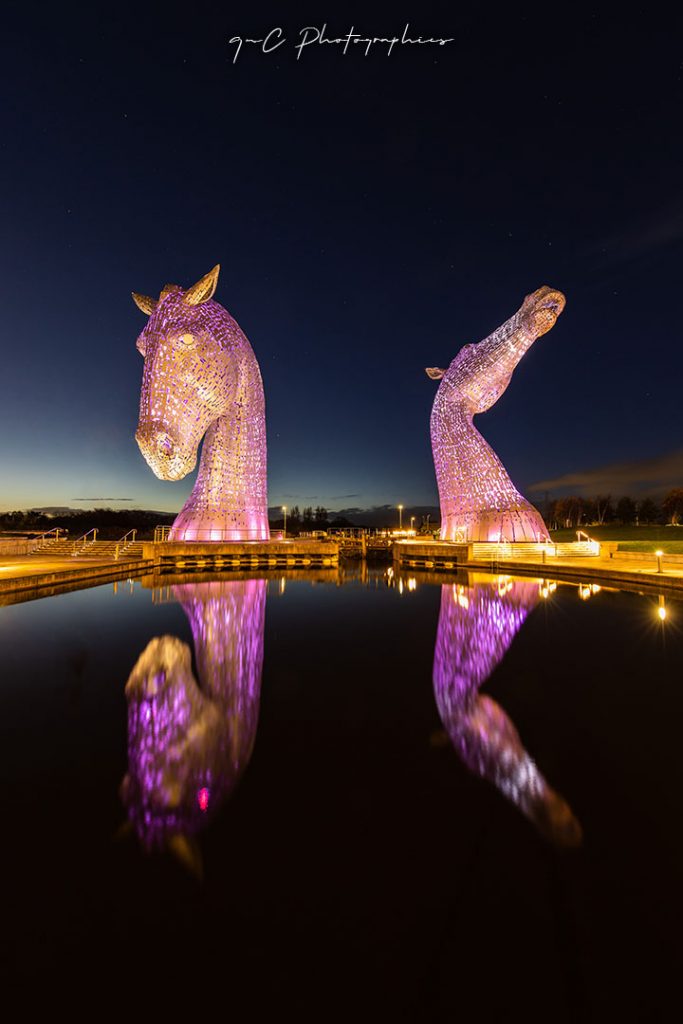
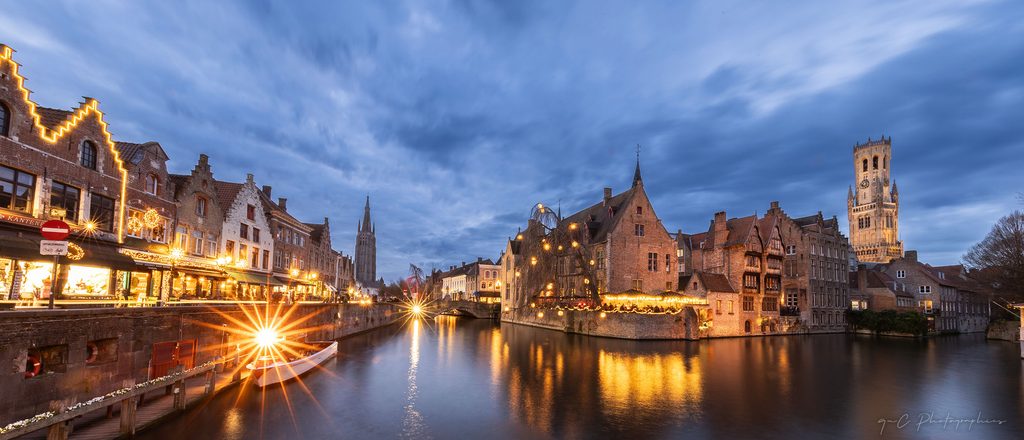
Canon R6 mkII and a EF 11-24mm f4 L lens
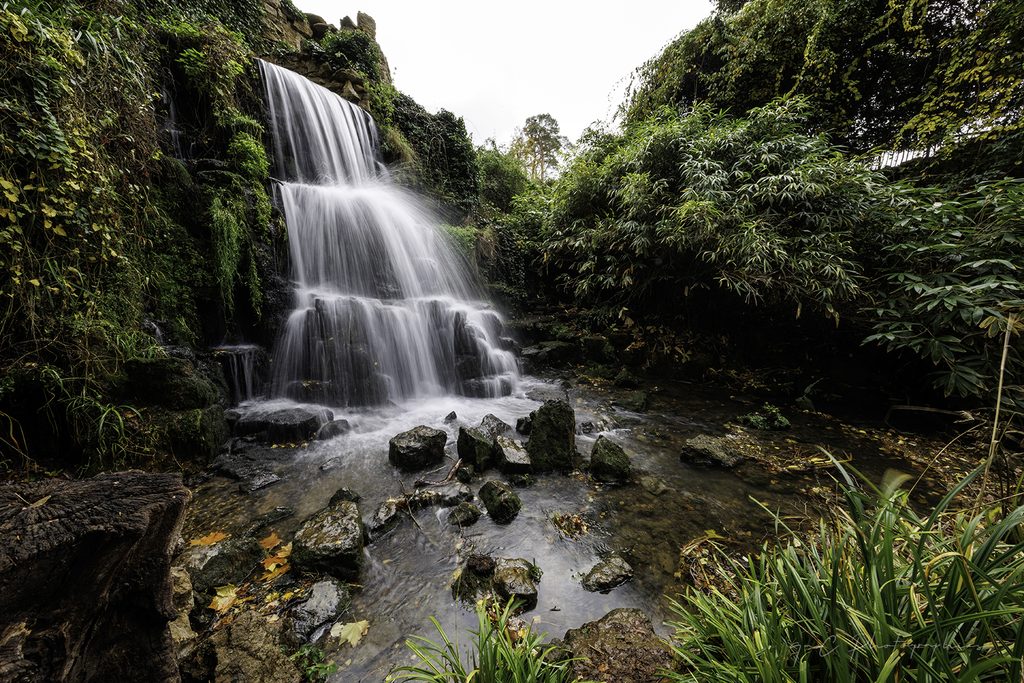
However…when roving through London or on vacation, I’m finding the sheer bulk of the EF 11-24mm a bit of a problem. It’s heavy, large and cumbersome. To put this into perspective one EF 11-24mm f4 L lens is heavier than both a RF 10-20mm f4 LIS and a EF 8-15mm f4 L fisheye.
So I’ve been looking at buying my first RF lens, the RF10-20mm f4 LIS.
It’s such a small and compact design. It’s light weight and compliments my EF 24-70mm f2.8 II L really well. It can’t take front filters, but it gains a 6 stop image stabiliser. I loost the ability of using EF to R mount adapter filters with this lens, another sweet feature of my EF adapted lenses. I’ve been very resistant to the RF mount because of the useful feature of drop in filters with my EF to R mount adapter. It’s such a cool feature. However, this lens is going to be my “general use” UWA and I don’t use filters for a lot of my current shooting. For a general use lens, it’ll be an amzing pairing with my EF 24-70mm f2.8 II L.
I’ve also been looking at a Laowra 12-24mm f5.6 shift lens. It’s very new on the market and has limited stock at the moment. This is a really interesting lens. It’s very small and light, it can take front 77mm filters and it’s rectilinear corrected. It offers 8mm tilt and shift and will give me back the technical features that I miss about my TS-e 17L. It also offers zoom versatility, from 12mm through to 24mm. I’m intrigued and curious. It’s a non Canon lens and it’s manual focus only.
If I get this lens, then I’ll end up with 4 UWA lenses. A walkabout RF 10-20mm f4 (my general UWA). A fisheye 8-15mm f4 L (for those rare time I need one), a EF 11-24mm f4 (for when I need to use filters) and maybe this Laowra lens that might replace my EF 11-24mm f4 L lens. Although I suspect that my EF 11-24mm f4 L lens’ days might be numbered.


