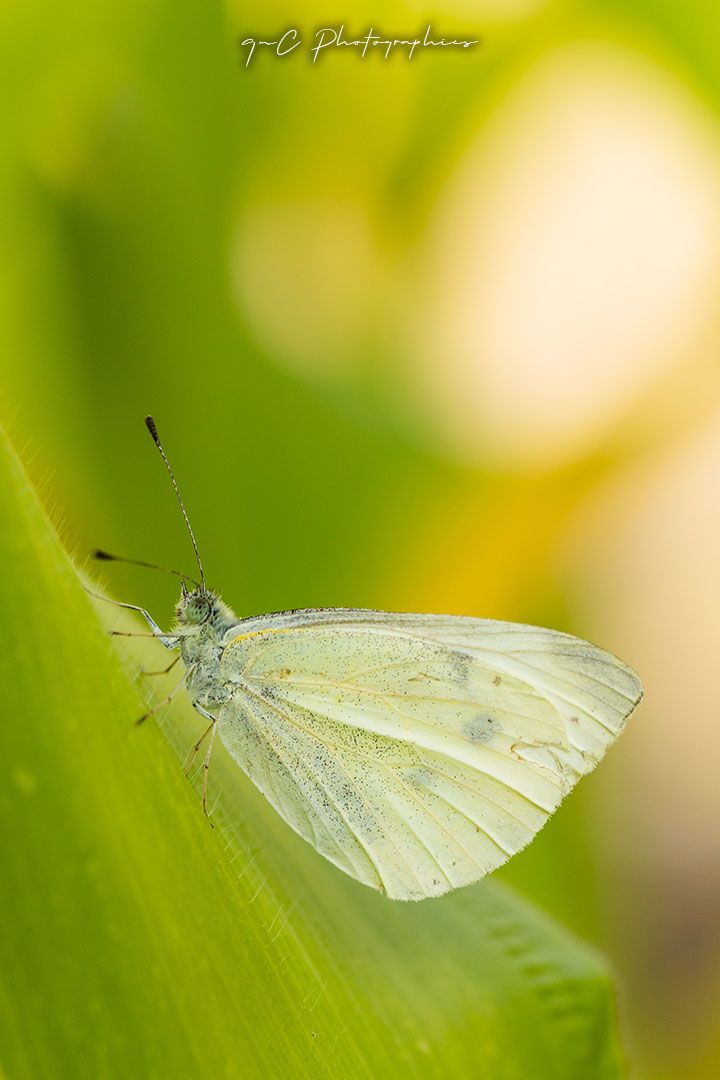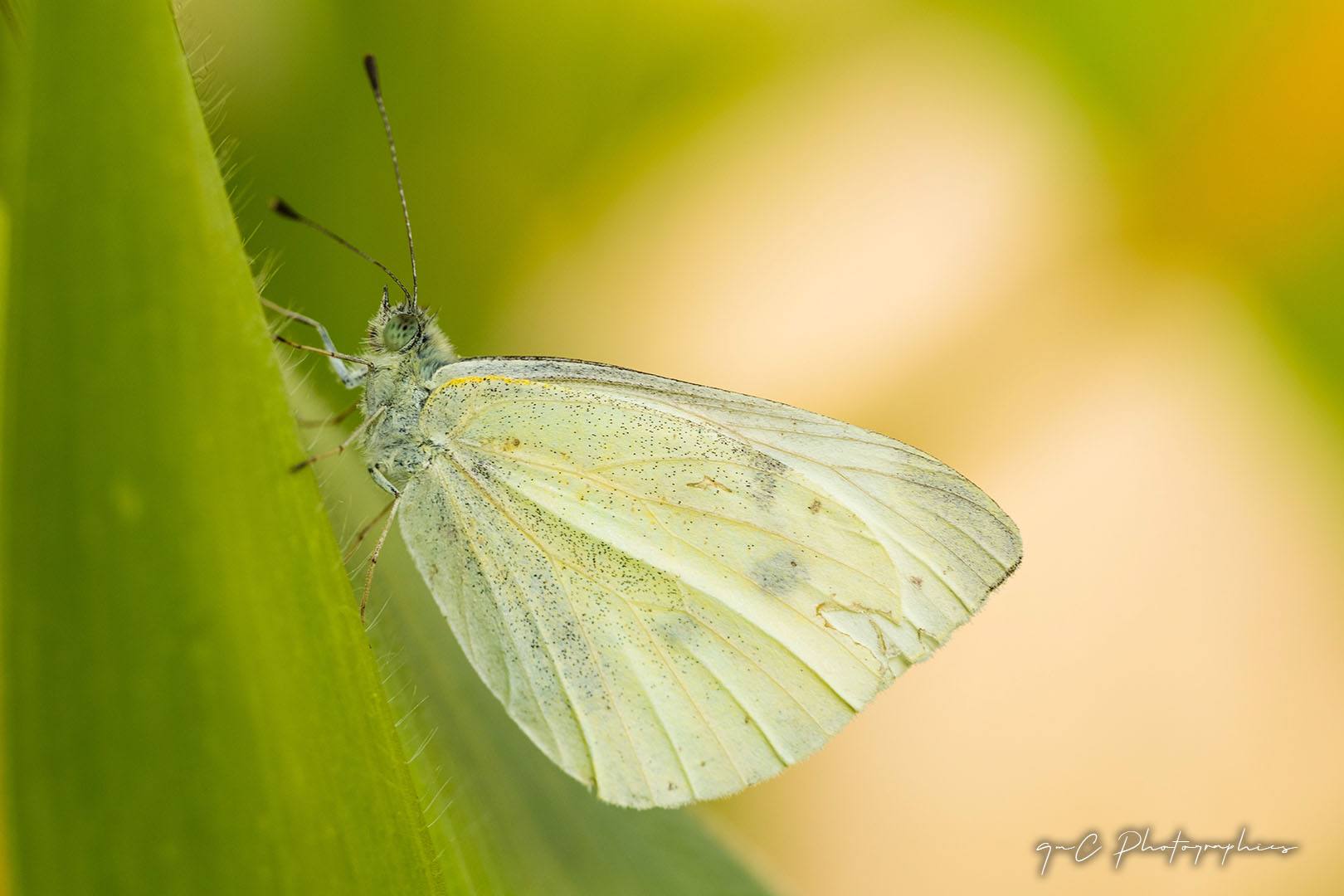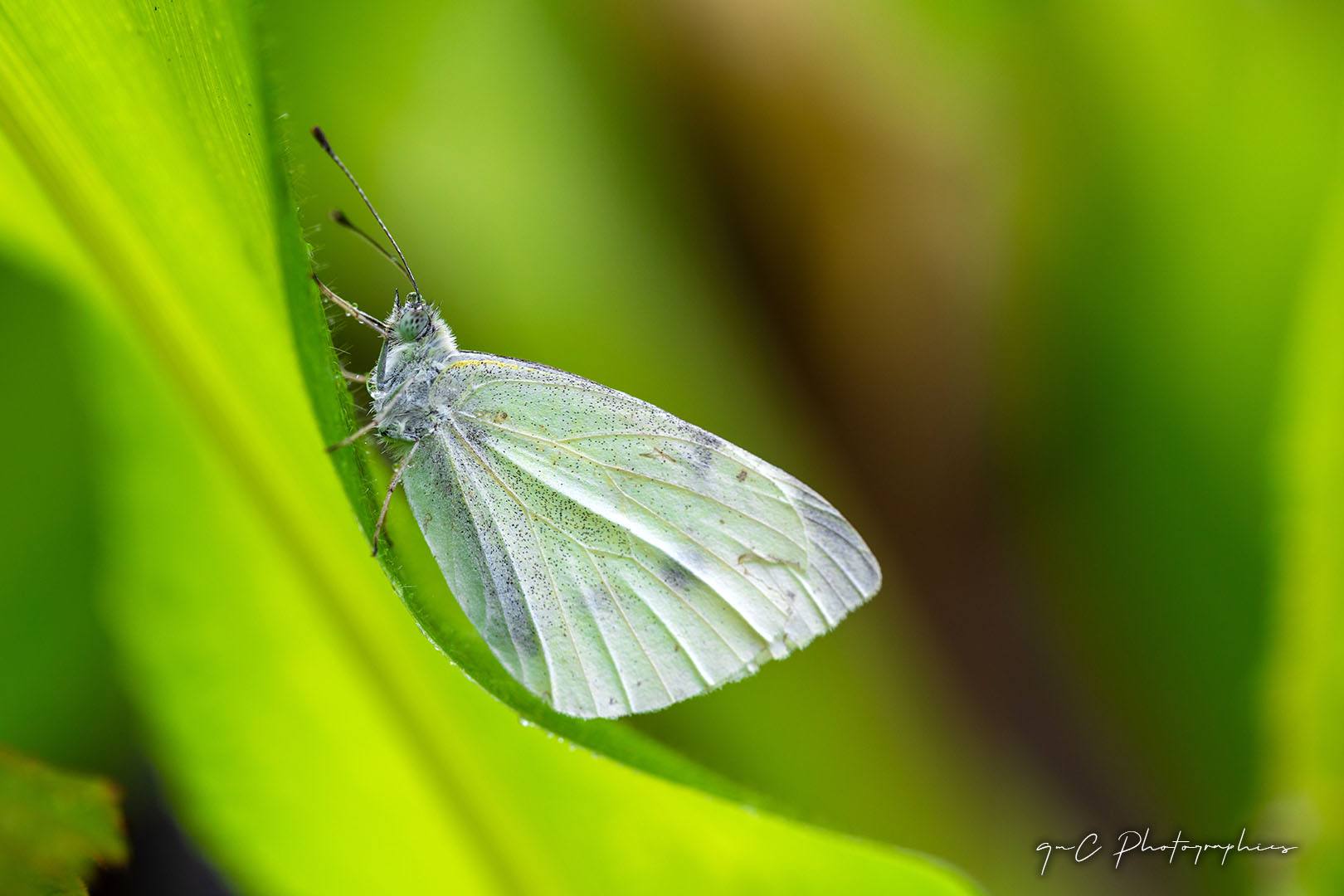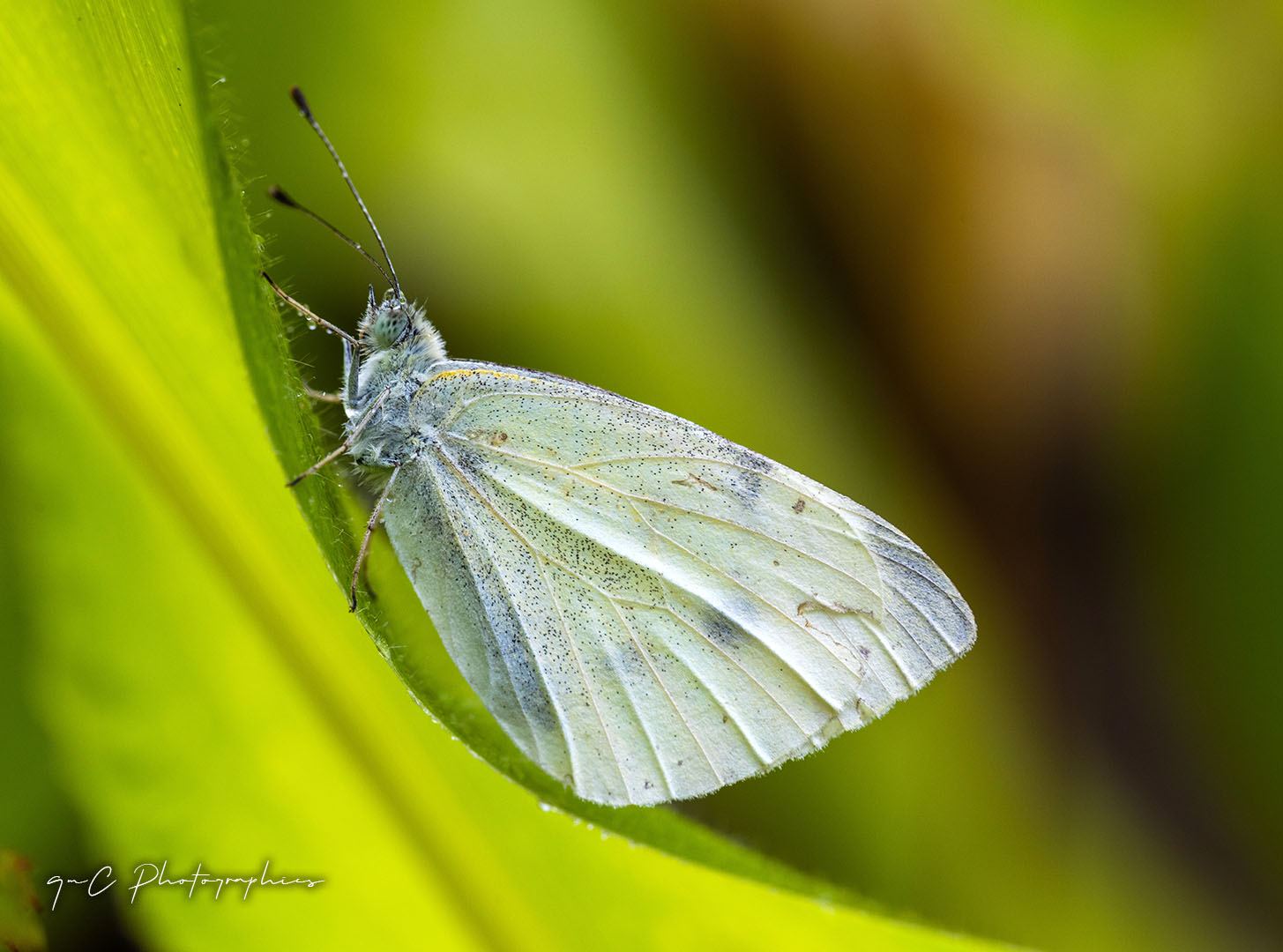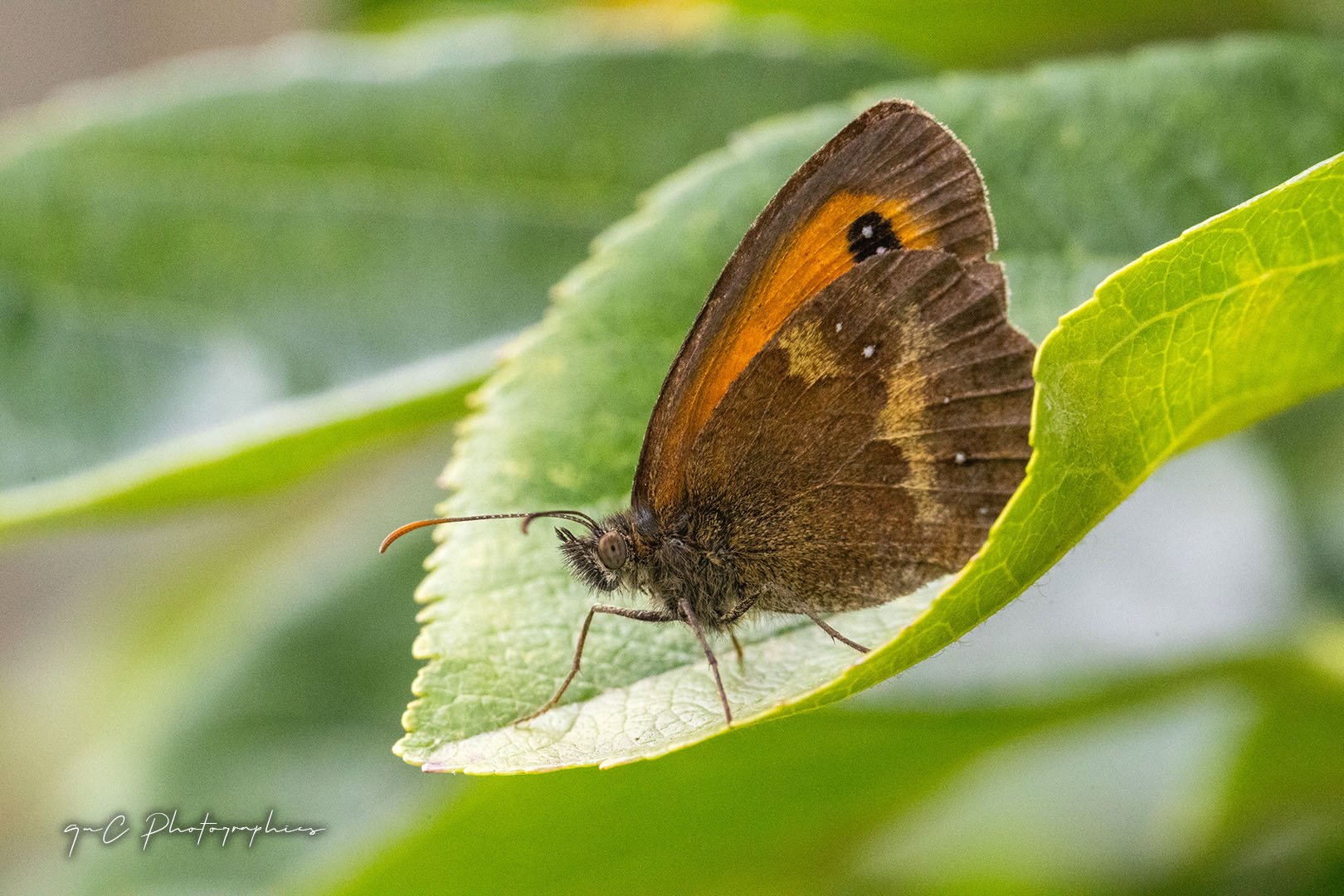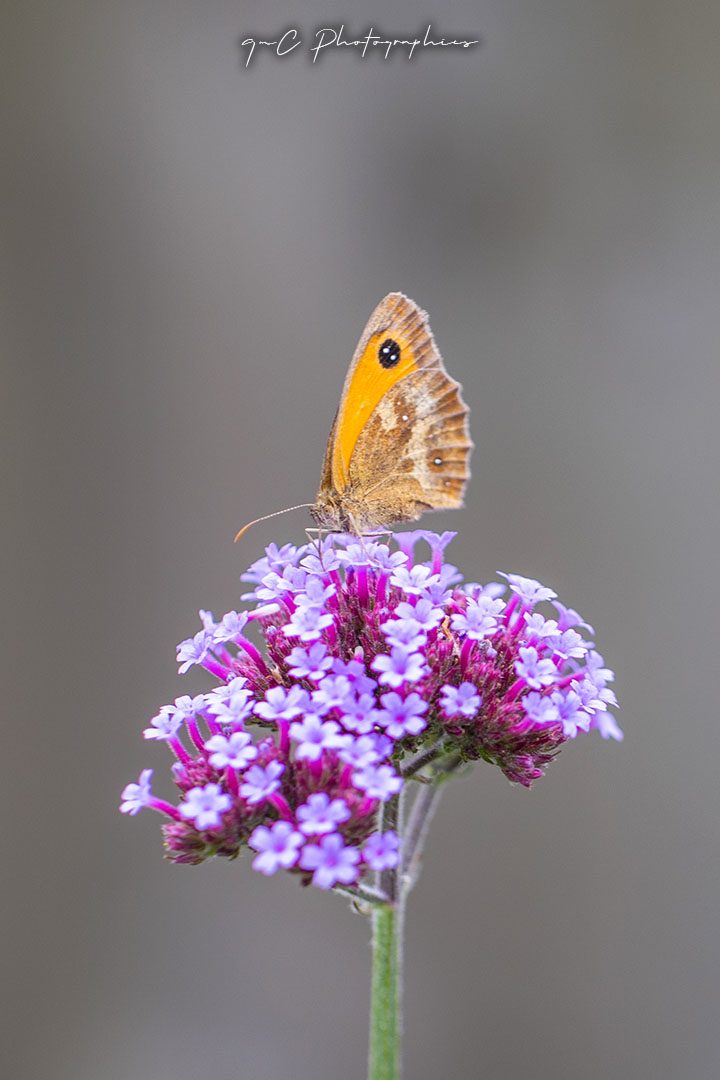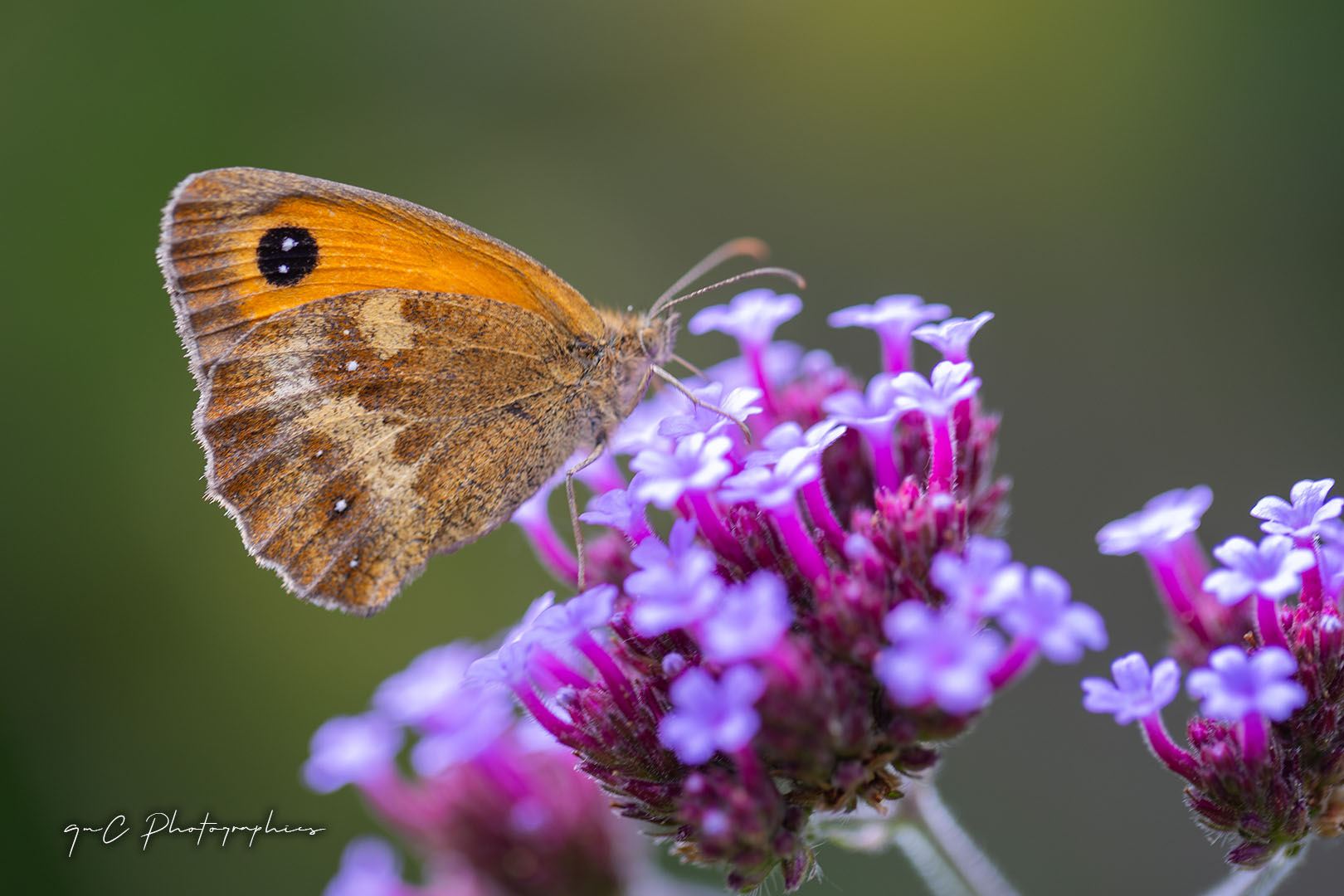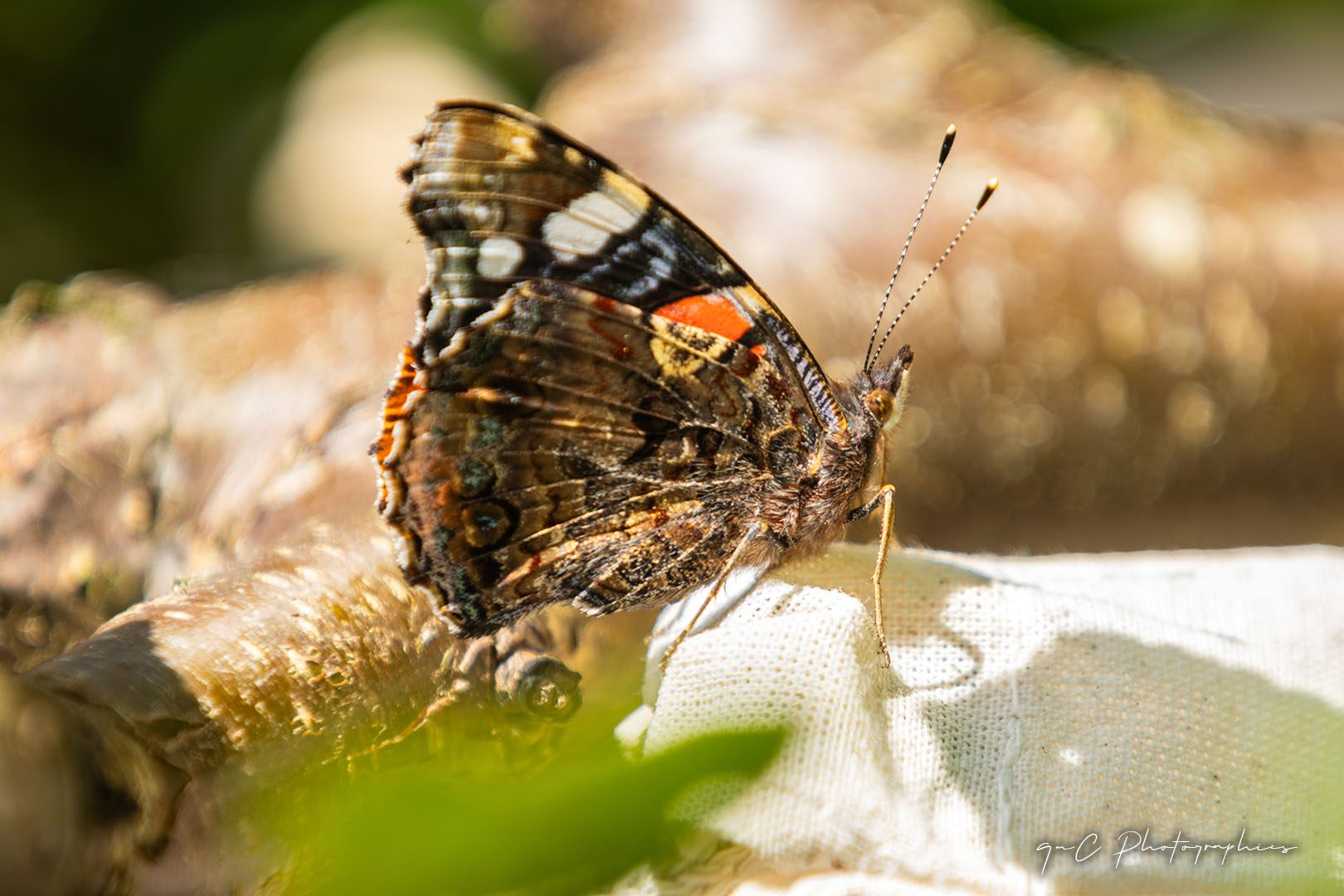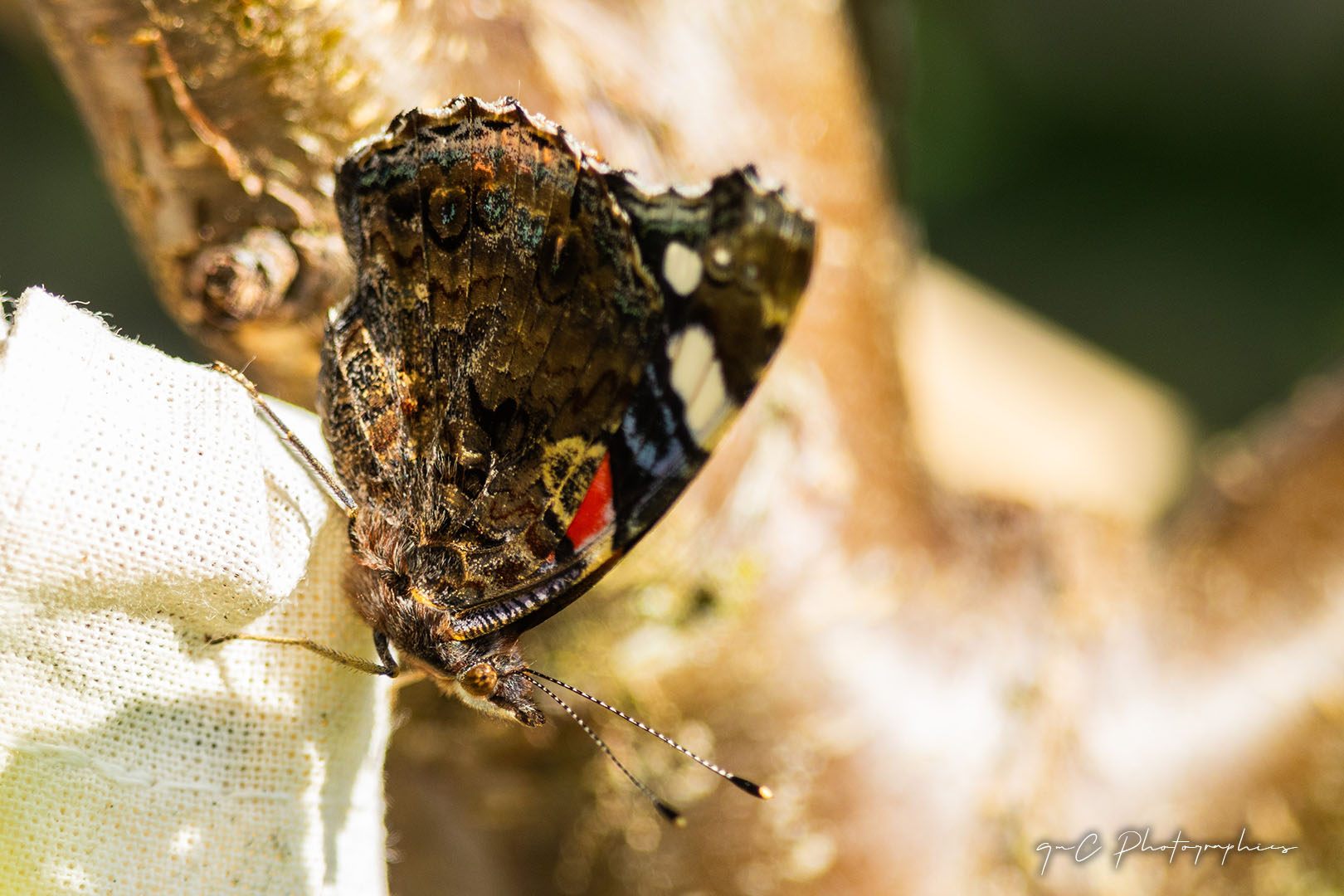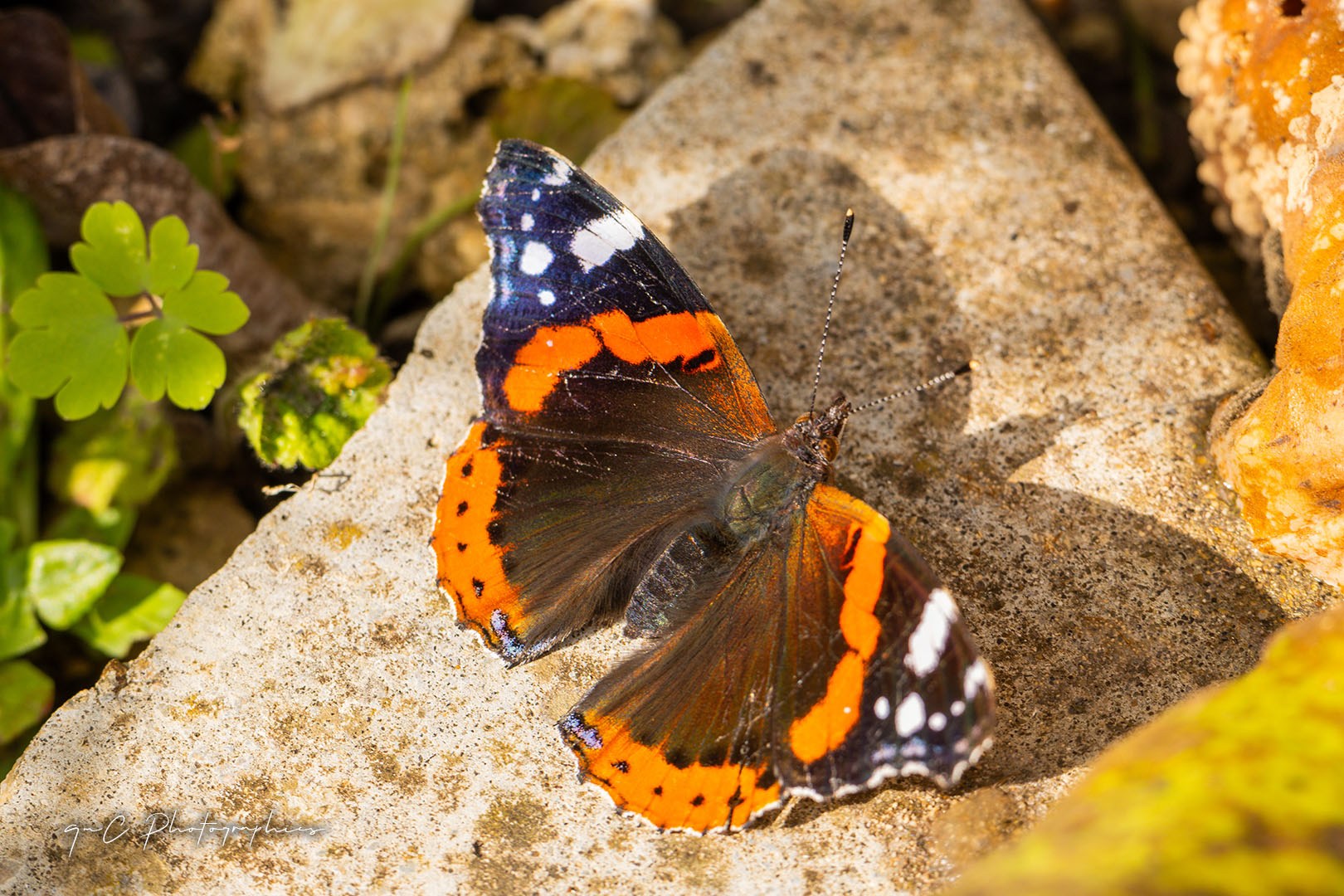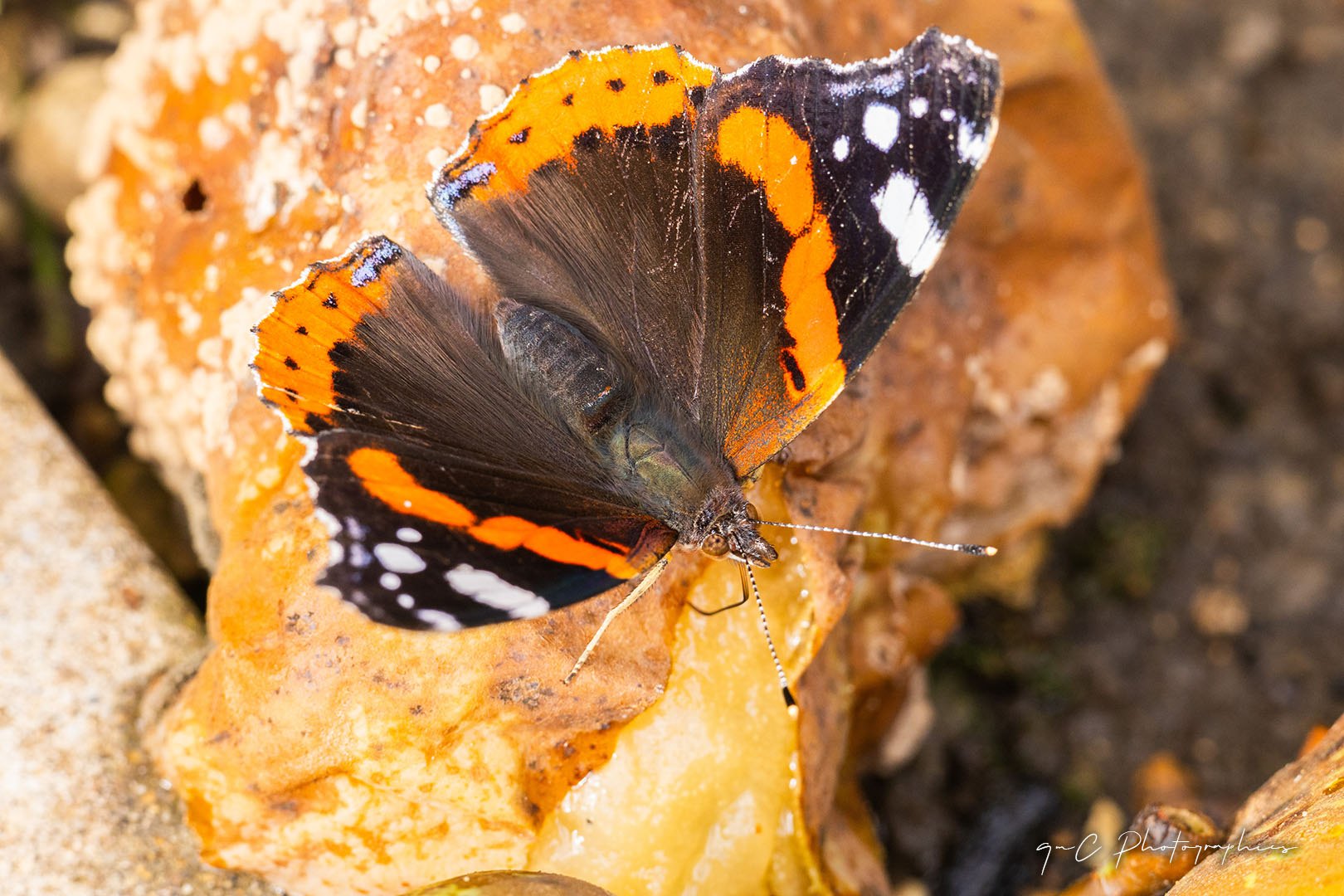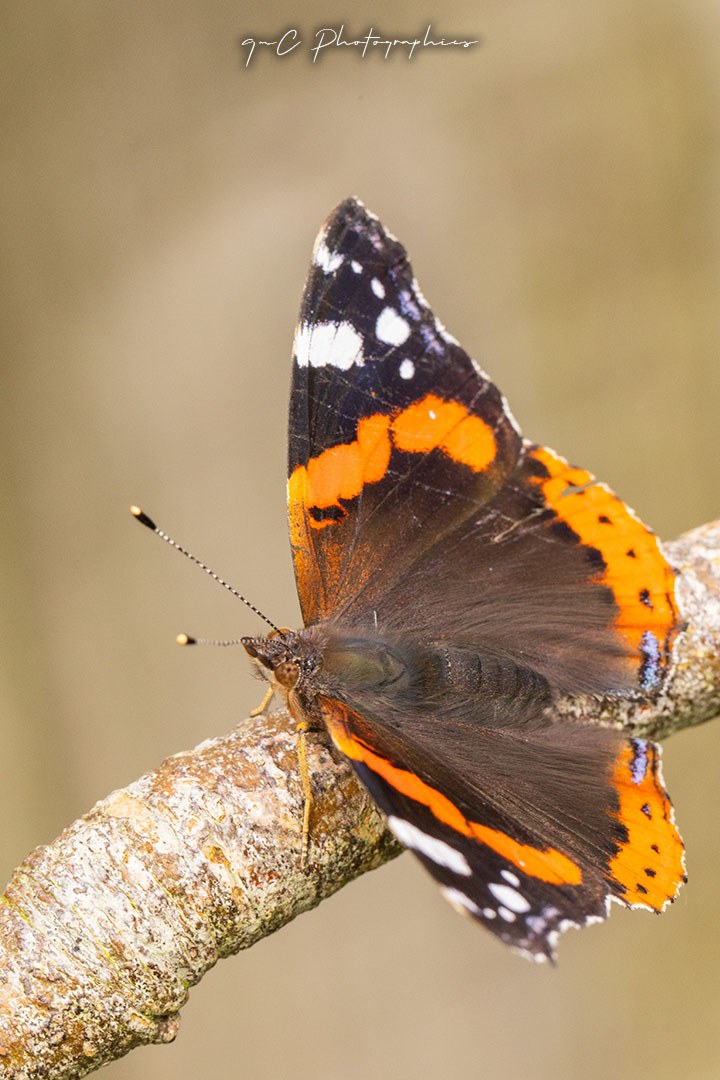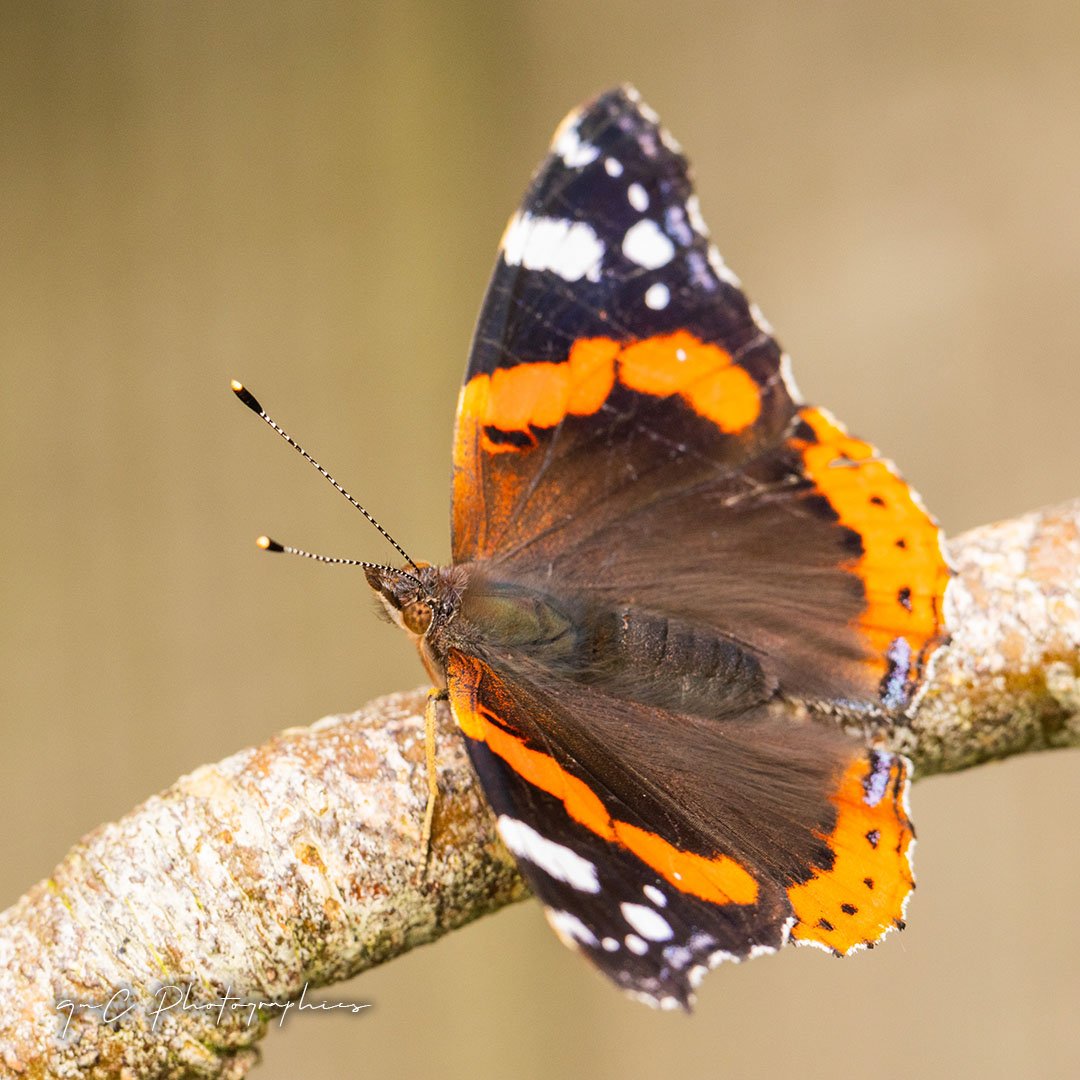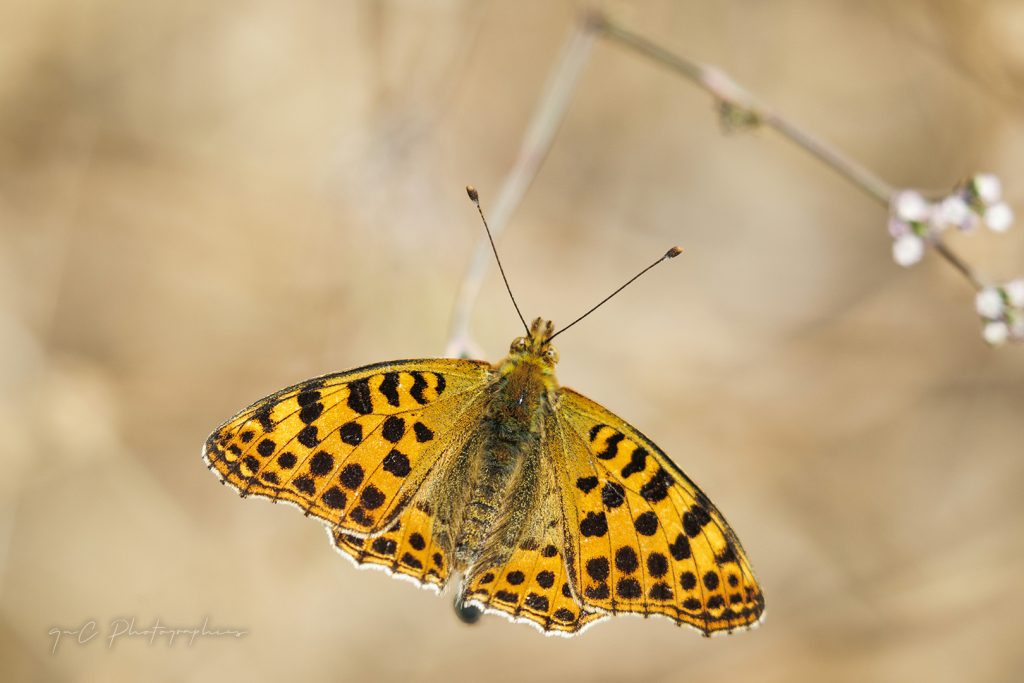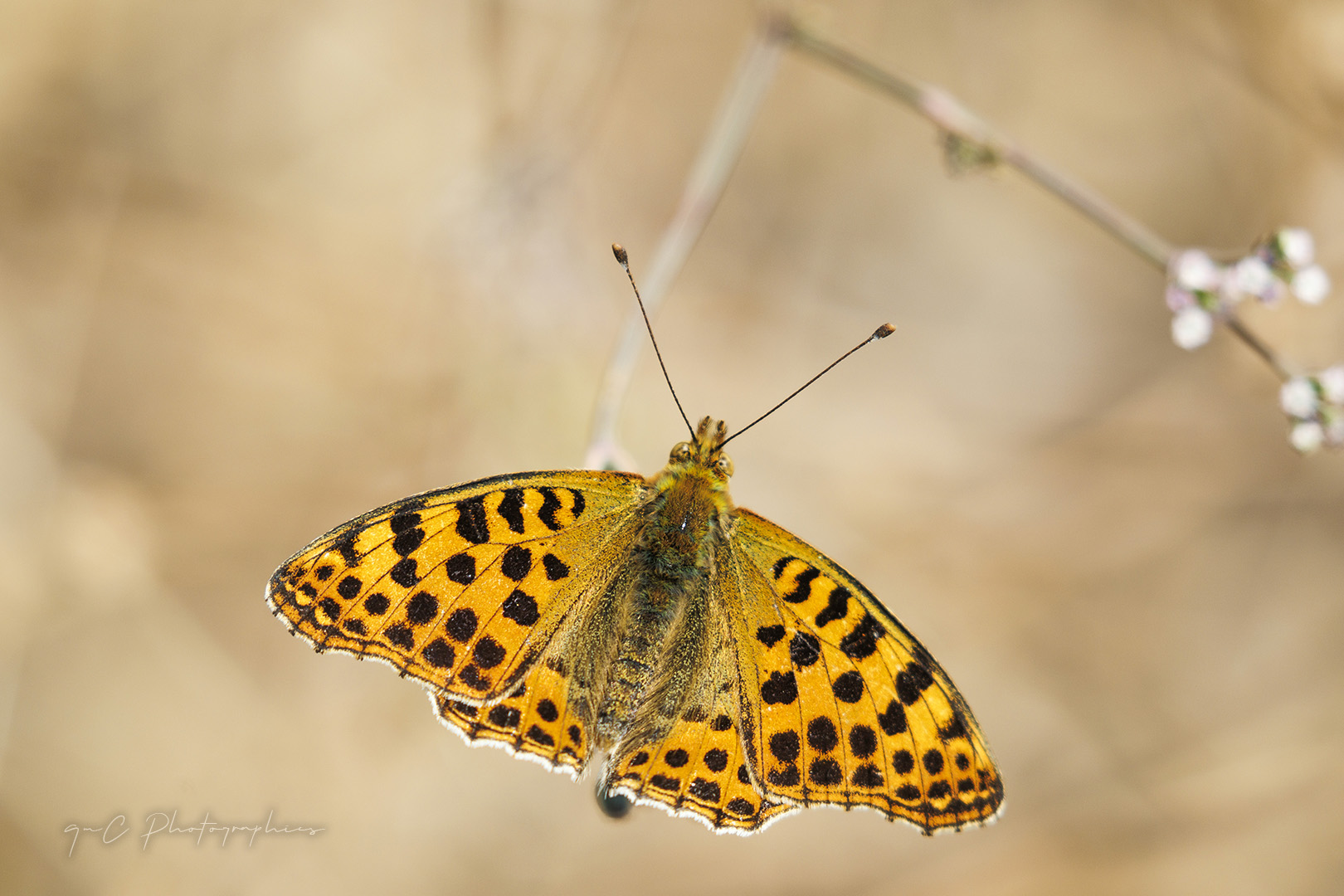
This year I’ve been maturing my butterfly photography skills.
This means I’ve been considering my techniques, photo editing, gear, lenses etc with a view to push my abilities and current skill set into a better awareness and stronger butterfly portfolio.
I don’t currently use a 1.6x crop camera. All of my cameras are full frame. I think a R7mk II (when ever that comes along) will change the game a fair bit. Some of the current limitations in macro focus stacking are sensor construction issues and we’ll delve into that a bit later.
So one of key issues with photographing Butterflys is working distance. Butterflys are notoriously skittish and see camera lenses as intrusive animal. If you are already set up and the butterfly comes and lands in front of you, it is not aware of you, the lens or the camera. They also seem totally ignorant of a flash from a flash gun. However, if you are approaching an already landed butterfly, then dark cloaths are best…slow moments and gradual approach are better. however, the Butterfly only has a pre-defined time on the landing before it will take off. It might be resting or feeding. In the afternoon butterflys are generally looking for cover and shade. They are at rest and often half asleep. In the morning they are full of activity and are often hungry.
It helps to know where the butterflies are located and where they like to feed or congregate. This is all part of the Butterfly field craft. Watch and look where and the how often butterflys come to rest on a particular branch or flower head. They love certain types of flowers more than others.
I have 4 lens options to use. These range from large and difficult to handle, small and neat, can get really close and can get really close up images from slightly further back. These are my EF 400mm f2.8 LIS II with a 2x TC and a 12mm extension tube. My EF 100-400mm f5.6 LIS II often with a 1.4x TC, a EF 100mm f2.8 LIS Macro and my recently ourchased EF 180mm f3.5 L Macro.
My EF 400mm f2.8 LIS is the most difficult to use. I’m right up to it’s MFD and it’s sheer physical size and bulk requires a tripod. The requires prior knowledge of where the Butterflys will congregate. Fine for my garden, less able in an open field or hedgerow.
My EF 10–400mm f5.6 LIS II is a remarkable lens, especially with a 1.4x TC and sometimes a 12mm extensiton tube. It’s so portable and the images are sharp. Depth of Field is always a challenge, and with the 1.4x TC I can get frame filling images at f8 that are really sharp and nice. It’s got a great working distance, and the flexibility of a great zoom range. Near it’s MFD at 400/560mm and the background can be blurred out really easily. Not so much at the wider end of the focal range. The size and weight / bulk of this lens means that it is very hand holdable and the Image stabiliser is just amazing. I think the newer RF 100-500mm f7.1 LIS is a slightly better lens, it’s got a but more reach (without the need for a TC) and is even more lighter. However the 100-400 isn’t much behind or left wanting. If I have a spare £2K some day I might side grade. I got a lot of this year’s portfolio worthy Buttefly photos from this lens alone.
The EF 100mm f2.8 LIS Macro is a very sweet lens. It can blow the background out of focus really nicely (if you can get close enough) and I get a lot of keepers with this lens. The downside is that it’s only a 100mm lens and you ahve to get quite close to the Butterfly to get the frame filling effect that I like and there’s a high chance that this will scare a lone butterfly off. I got a number of sleeping Butterflys this year with this lens and in the right scenario / context it’s an amazing lens.
My EF 180mm f3.5 Macro is a curious lens. I had one about 18 years ago and sold it because it was such a frustrating lens to use. It ahs a very slow AF, no Image stabiliser and it’s a bit of a weildy beast to hold for a while. Back then I used a Canon 5DmkII with only single central AF point that was even remotly able to drive this lens’ focus abilities. One shot was “do-able” but continuos servo Af was a nightmare. at 180mm it needed at least 1/500th second shutter speed to set sharp images and it also needed a lot of stopping down to maximise the depth of field. All this proved overwhelming for the camera and the photographer. It was great in a manual focus context on a tripod…but hand holding while chasing butterflys was a bit of a traumatising ordeal….however the photos were always rewarding…if they were sharp and in focus.
The images from this lens as always slightly nicer than any other lens that I use for Butterflys and Flowers. In the viewfinder, the images look ok. But back at base on the laptop, they generally look spectacular, but easily ruined by bad focus or camera shake.
On a R6iii, things are very different. The new AF system is far more capable and there’s a IBIS system too. I don’t think IBIS is particaularly great on such a long lens. But it might help about a stop or too hand held…it’s better than nothing. The AF is far more tractable and I’ve got some great results. Unfortunaly I missed a lot of this years butterfly season, I bought this lens only recently, but I’m looking forwards to next year’s season.
One of the great benefits of the R8/R6ii and R6iii is their focus stacking feature. It’s available on the R5, but there isn’t an ability to choose the number of frames and to combine them in-camera into a single JPG file. Also, the focus stacking feature is shot in electronic Shutter mode (40fps) and this is fine but it precludes the use of a fill flash. Only the R3 and R5ii can use a flash in ES mode (due ot their stacked sensor’s read out speed being fast enough to catch an entire flash burst). This hopefully will be true of the R7ii, a stacked cropped sensor that can use a flash. This camera with it’s extra (effective) reach could be an amazing macro camera.
At the moment, with a R6ii or R6iii, I am stuck with available light only with my focus stacking. Not so great if I want a deep depth of field and low iso.
This is where the R6ii has a slight advantage over the R6iii, it gains a whole stop better iso ability over the mkiii. Although the R6iii offers more cropping potential and the files do clean up nicely in post production.